

 Out of stock
Hub 

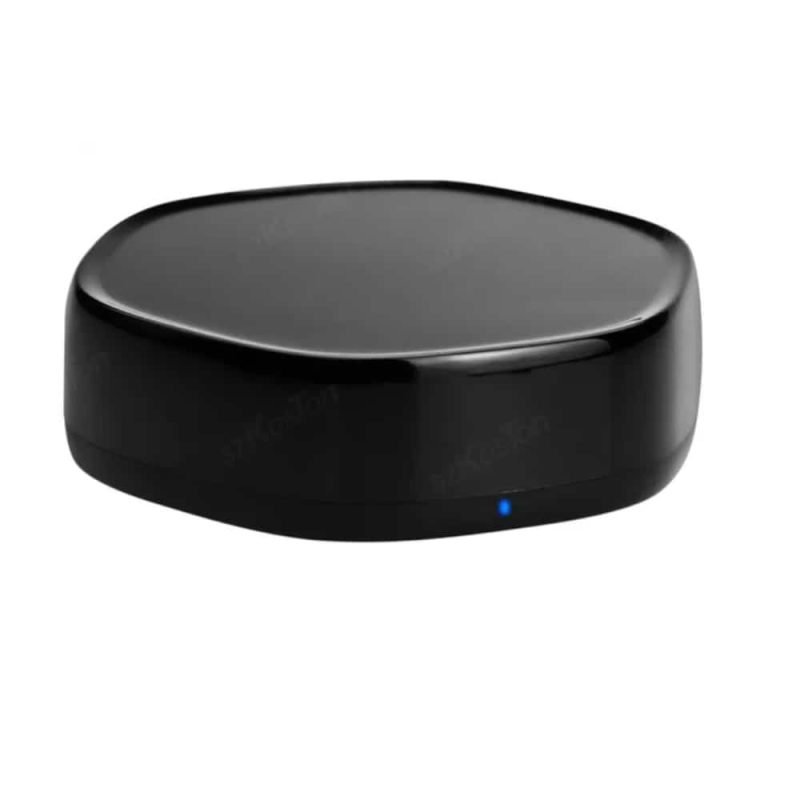
Zigbee Tuya Gateway with IR + BT
Product code 2347
Sh 150,000.00
Out of stock right now
We are out of this one at the moment. Message us and we will tell you what the lead time is, or what else does the same job.
Ask us when it is back See what else is in stock- Genuine stock. Sourced from authorised distributors, warranty intact.
- Delivered across Tanzania with additional delivery charges.
- Multiple payment options.
Payment Options
- Cash on Delivery. You can pay cash at our store on pickup, or pay the rider upon delivery (Dar es Salaam only).
- Pay by Lipa Number
- M-Pesa

- Mixx by Yas

- Airtel Money

- Halopesa

- Selcom

- M-Pesa
- Pay by Card
- Visa

- Mastercard

- American Express

- Discover

- UnionPay

- Visa
- Pay by Apple Pay or Google Pay
- Apple Pay

- Google Pay

- Apple Pay
3 in 1
Zigbee, Bluetooth Mesh, infrared
50+
Zigbee devices
360°
Infrared, about 10 m
Local scenes
Run without internet
Alexa + Google
Voice control
About this product
A Zigbee gateway with IR blaster and Bluetooth Mesh built in, which is three hubs in one black disc. It runs all three at the same time, which means one device on a shelf can reach your Zigbee sensors and switches, your Bluetooth Mesh lights, and the air conditioner and television that only ever answered to a remote control.
- What a Zigbee gateway with IR blaster replaces
- Three radios, and why they are in one box
- Fifty devices, and a network that improves as it grows
- What still works when the internet drops
- Which of the three gateways to take
The infrared side is the part people underestimate. It learns the codes from your existing remotes and fires them back at 38 kHz across a full 360 degrees, up to about ten metres. So the air conditioner comes on before you get home, the television goes off at bedtime, and both end up in the same automations as everything else.
On the Zigbee side it carries more than 50 devices, and every mains-powered one repeats the signal onward, so the network gets stronger as it grows. Door sensors, water leak sensors, motion sensors, switches and plugs all report into the same app. Scenes keep running locally even if the internet drops.
It joins your Wi-Fi on 2.4 GHz, runs on a micro USB supply and works with Amazon Alexa and Google Assistant.
What a Zigbee gateway with IR blaster replaces
Air conditioners, televisions, fans and decoders in most Dar houses answer to nothing but a plastic remote. They have no Wi-Fi, no app and no way into any automation. This gateway learns their codes and fires them back at 38kHz across a full 360 degrees, up to about ten metres.
Once it has learned them, those devices behave like smart ones. The AC comes on before you get home, the TV goes off at bedtime, and both sit in the same scene as your lights. No new hardware on the appliance and nothing to replace.
Three radios, and why they are in one box
Zigbee handles sensors, switches, plugs and locks. Bluetooth Mesh handles the cheaper mesh lighting that has become common. Infrared handles everything that predates all of it.
Most houses end up needing at least two of the three. Buying them as one disc rather than three separate boxes saves a socket, a shelf and the annoyance of running devices across two apps that do not know about each other.
Fifty devices, and a network that improves as it grows
The Zigbee side carries more than fifty sub-devices. Every mains-powered one, a plug or a wall switch, repeats the signal onward, so a sensor at the far end of a compound reaches the hub through everything in between.
That is the opposite of Wi-Fi, where each new device takes another slot on your router and the far ones simply drop out. Add Zigbee devices and the mesh gets stronger.
What still works when the internet drops
Scenes stored on the gateway keep running locally through an outage. A motion sensor still switches a light on, a door sensor still triggers what it is set to trigger.
What you lose during an outage is remote control from your phone and voice commands, because those go out through the internet. Set the automations that matter as local scenes and the house carries on regardless.
Which of the three gateways to take
This one if you want the infrared blaster, and in a house with air conditioning that is usually the deciding factor. It joins 2.4GHz Wi-Fi, runs on a micro USB supply and works with Alexa and Google Assistant.
If you have no infrared appliances to control, the plain Zigbee Tuya Gateway does the Zigbee half for less. If your household runs on iPhones and you want everything in Apple Home, take the HomeKit Zigbee gateway instead. The app all three use is documented at tuya.com.
Uses the Tuya and Smart Life apps
 Tuya
Tuya- Smart Life
Description supplied by the manufacturer.
Specifications
| Protocols | Zigbee, Bluetooth Mesh, and infrared |
|---|---|
| Device limit | More than 50 sub-devices |
| Infrared | 38 kHz, 360 degree coverage, about 10 m range, with code learning |
| Network | Wi-Fi 2.4 GHz, 802.11 b/g/n |
| Local scenes | Keep running if the internet goes down |
| Power | DC 5 V 1 A over micro USB |
| Dimensions | 89.6 × 86.6 × 26.7 mm |
| Operating temperature | -10 to 55 °C |
| Humidity | 10 to 90 % RH |
| Voice control | Amazon Alexa, Google Assistant |
| App | Tuya or Smart Life |
| Colour | Black |
| Subscription | None |
| Product code | 2347 |
| Category | Hub |
| Availability | Out of stock - ask us for the lead time |
What’s in the box
- ✓Multi-function gateway
- ✓Micro USB power cable
- ✓Reset pin
- ✓Product manual
Questions
What does the infrared do?
It replaces your remote controls. The gateway learns the codes from the remotes you already have and fires them back across a full 360 degrees, up to about ten metres. That puts the air conditioner and the television into the app and into your automations, so the AC can start before you get home and everything can switch off at bedtime together.
How is this different from the plain Zigbee gateway?
This one adds two things: infrared, so it reaches remote-controlled devices, and Bluetooth Mesh, so it reaches that class of device too. If all you have is Zigbee sensors and switches, the smaller white gateway does the job for less. If you want the air conditioner in your automations, this is the one.
How many devices will it handle?
More than 50 on the Zigbee side, and each mains-powered device repeats the signal onward, so the network gets stronger as you add to it rather than weaker.
What happens if my internet goes down?
Scenes set up on the gateway keep running locally. You lose remote access from your phone and voice control until the connection is back, but the house carries on doing what you told it to.
Where should I put it?
Somewhere central and in the open, with a clear view of whatever you want the infrared to reach, since infrared does not go through walls or cupboard doors. A shelf in the living room facing the air conditioner is the usual answer.
Anything else? Ask us on WhatsApp and we will tell you straight.
From the same shelf
All Hub →You might also want


